Archives
- 2026-07
- 2026-06
- 2026-05
- 2026-04
- 2026-03
- 2026-02
- 2026-01
- 2025-12
- 2025-11
- 2025-10
- 2025-09
- 2025-03
- 2025-02
- 2025-01
- 2024-12
- 2024-11
- 2024-10
- 2024-09
- 2024-08
- 2024-07
- 2024-06
- 2024-05
- 2024-04
- 2024-03
- 2024-02
- 2024-01
- 2023-12
- 2023-11
- 2023-10
- 2023-09
- 2023-08
- 2023-06
- 2023-05
- 2023-04
- 2023-03
- 2023-02
- 2023-01
- 2022-12
- 2022-11
- 2022-10
- 2022-09
- 2022-08
- 2022-07
- 2022-06
- 2022-05
- 2022-04
- 2022-03
- 2022-02
- 2022-01
- 2021-12
- 2021-11
- 2021-10
- 2021-09
- 2021-08
- 2021-07
- 2021-06
- 2021-05
- 2021-04
- 2021-03
- 2021-02
- 2021-01
- 2020-12
- 2020-11
- 2020-10
- 2020-09
- 2020-08
- 2020-07
- 2020-06
- 2020-05
- 2020-04
- 2020-03
- 2020-02
- 2020-01
- 2019-12
- 2019-11
- 2019-10
- 2019-09
- 2019-08
- 2019-07
- 2019-06
- 2019-05
- 2019-04
- 2018-11
- 2018-10
- 2018-07
-
The human serotonin hydroxytryptamine HT receptor
2020-02-18
The human serotonin (5-hydroxytryptamine; 5-HT) receptor family consists of 14 receptor subtypes to date, which are primarily G protein-coupled receptors (GPCRs) with 5-HT3 being the sole ligand-gated ion channel (Alexander et al., 2017). These receptors are widely distributed in the central and per
-
In astrocytes mitogen activated protein
2020-02-17
In astrocytes, mitogen-activated protein kinases (MAPKs) are activated after OGD-induced ischemic injury (Yung and Tolkovsky, 2003, Niu et al., 2009) and they regulate induction of AQP expression (Arima et al., 2003, McCoy and Sontheimer, 2010). It is well known that MAPKs, including extracellular s
-
br Methods br Results br Discussion On the
2020-02-17
Methods Results Discussion On the other hand, surgical patients have to some extent stress during pre- and/or post-operative period. It is well known that CRF/CRF1 receptor is involved in the activation of HPA during acute and chronic stress (Papadimitriou and Priftis, 2009, Zelena et al.,
-
Interestingly increased level of both circulating ET and uri
2020-02-17
Interestingly, increased level of both circulating ET-1 and urinary excretion of ET-1 have been observed in patients treated with nephrotoxic immunosuppressive agents as cyclosporine A and tacrolimus (Slowinski et al., 2002). Other nephrotoxic agents, such as cisplatin, also increase urinary excreti
-
Sampling sediments is usually performed with grab corers The
2020-02-17

Sampling sediments is usually performed with grab corers [16], [29]. The digested sludge analyzed by Ternes et al. [16] was taken directly from the digester and the activated sludge was obtained by Leflunomide of the slurry of STPs [16]. Collected samples are transported under cooled conditions (+4
-
For the current studies we used the
2020-02-17
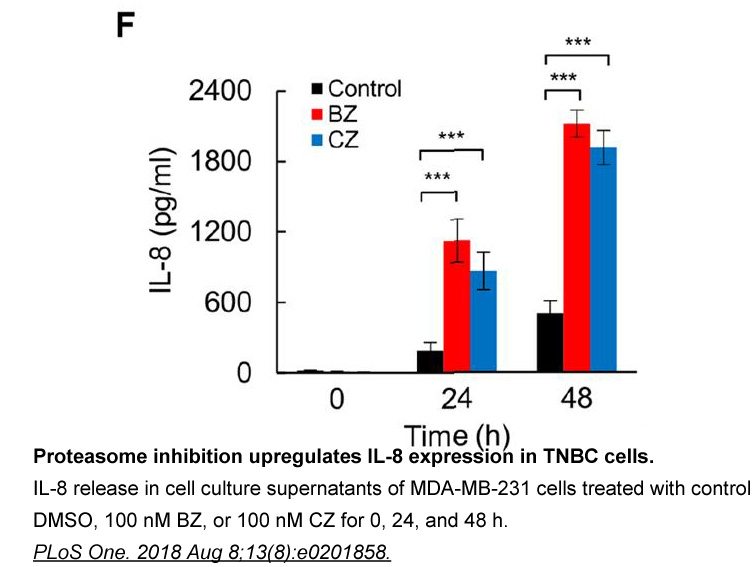
For the current studies, we used the selective Epac agonist 8CPT-AM to directly activate the proteins. We chose this pharmacological approach since it allows a direct activation of Epacs rather than using receptor agonists such as PGE2 which could introduce confounding variables. One potential conce
-
br Non cyclic nucleotide EPAC regulators Despite
2020-02-17
Non-cyclic nucleotide EPAC regulators Despite the success of 007 as a tool molecule, few studies to date have led to the identification of further EPAC-selective agonists. The most studied and controversial group of small-molecule EPAC regulators are the sulfonylurea (SU) family. SUs (Table 1) su
-
It was demonstrated that ET signaling
2020-02-17
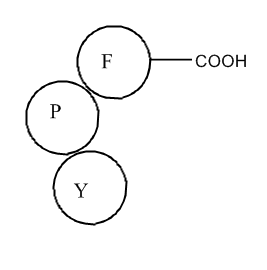
It was demonstrated that ET-1 signaling is the primary axon guidance mechanism that accounts for sympathetic innervation of the sinoatrial node and myocardium in the developing mouse heart [11]. In this article, we will review the findings relating to the basic profiles; i.e. molecular features of
-
Compared to ET all agonists tested showed a fold
2020-02-17

Compared to ET-1, all agonists tested showed a 2–4 fold bias for the G protein constrictor assay compared to the β-arrestin assay (Table 1). This preliminary analysis indicated that at least modest pathway bias for endogenous ET peptides is possible, however the physiological significance of this, i
-
We not only found that
2020-02-17

We not only found that the ISR leads to attenuation of conventional cap-dependent translation with no change in RAN translation of the G4C2 expanded repeat, but also that GA translation from the expanded repeat (but not from 5 G4C2 repeats, perhaps because the protein product does not aggregate) is
-
To date little is known
2020-02-15

To date, little is known about the regulation of PCD through phytocystatin inhibitory activity. Inhibitors that may regulate leaf senescence (Huang et al., 2001, Tajima et al., 2011) or may inhibit PCD induced by abiotic factors, such as mechanical tissue damage or oxidative stress caused by cold (B
-
Further studies are needed as continuation of this
2020-02-15
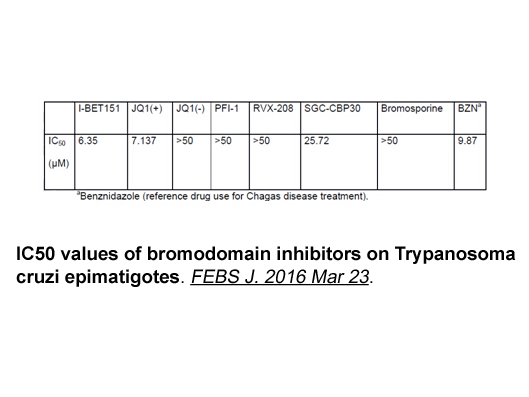
Further studies are needed as continuation of this work to explore the effects of type and position of substituents of pyridazinone ring on anti-inflammatory activity profile. Taking into consideration that the phenyl moiety at position 2 wasn\'t a favorable substituent, even certain studies may be
-
E is a classical initiator protein and as
2020-02-14
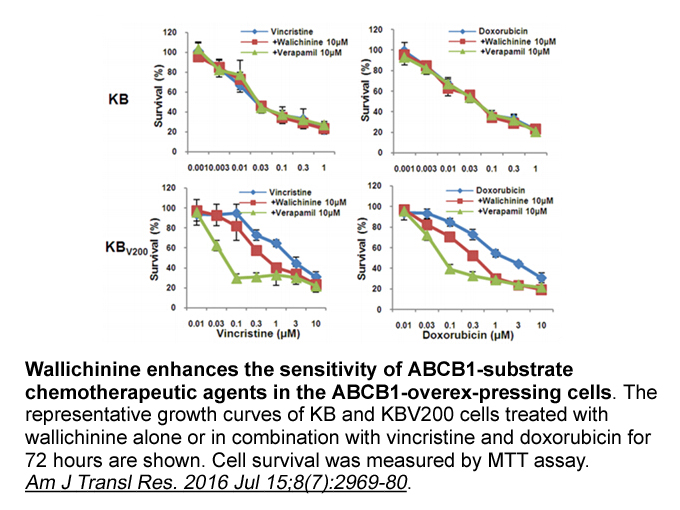
E1 is a classical initiator protein and, as such, plays several roles in the initiation and catalysis of viral DNA synthesis. E1 must first recognize a specific segment of the viral Kartogenin known as the “origin of DNA replication”, or “ori” for short. For most PV types examined to date, the minim
-
The androgen receptor AR is a steroid
2020-02-14
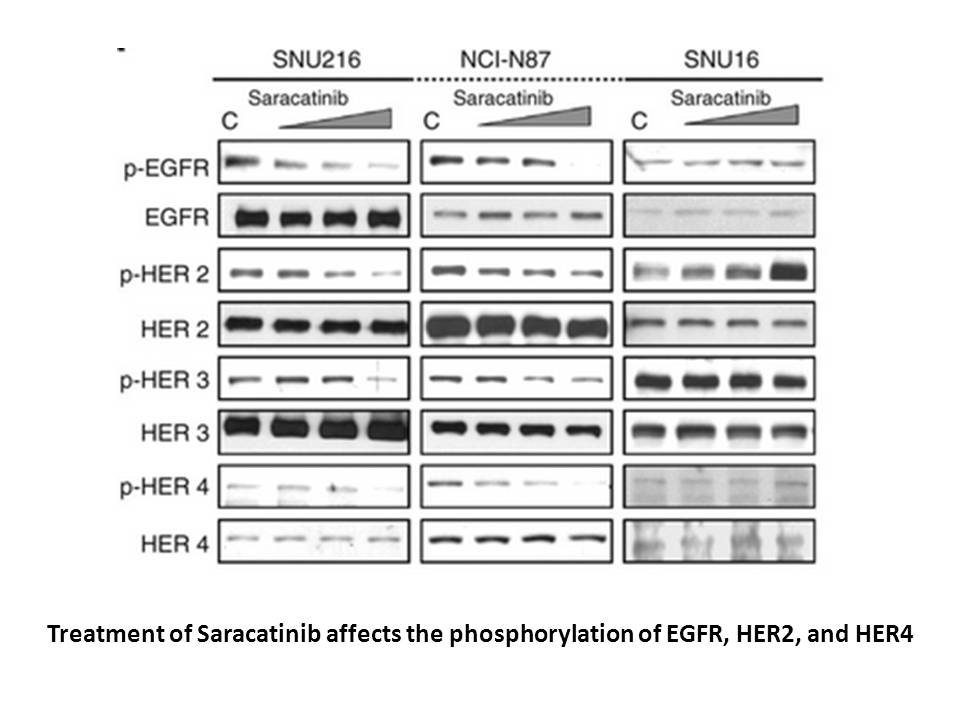
The androgen receptor (AR) is a steroid hormone receptor that plays a crucial role in the normal development of male reproductive tissues, and its high expression and/or relaxation of its regulation are strongly implicated in prostate cancer (PCa) [11]. Androgen binding induces conformational change
-
br Pre clinical combination studies using
2020-02-14
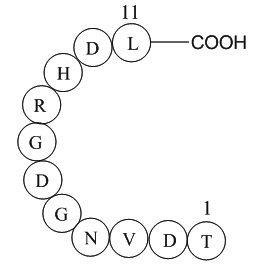
Pre-clinical combination studies using CSF-1/CSF-1R inhibitors In preclinical models, the CSF-1R pathway can be blocked by using either small molecule kinase inhibitors (GW2580 [30], PLX3397 [31], Ki20227 [32], BLZ945 [33] and CYC11645 [34]), antibody-mediated inhibition of CSF-1 using 5A1 [35] o
16039 records 889/1070 page Previous Next First page 上5页 886887888889890 下5页 Last page